
We Built a Production Platform. Here Is What It Does.
The actual problem in production isn't any single tool, it's the gaps between them. At some point I stopped complaining about it and started building.
I'd been turning this over for a while before it became anything concrete, the idea that the actual problem in production isn't any single tool, it's the gaps between them. I'd watched producers lose hours reconciling budget numbers across documents that should have been the same document. I'd seen post supervisors manually carrying context from one platform to another because nothing in their stack shared a common thread. The individual tools were often quite good. Monday.com handles task management competently. Bynder is solid for brand assets. But nothing linked the stages together, and every handoff meant someone playing human middleware. At some point I stopped complaining about it and started building.
What Telova actually does
Telova is a production management platform that covers the full lifecycle of a project. A brief comes in, gets structured, gets approved. Pre-production happens, crew, locations, scripts, budgets, contracts. Production runs with call sheets and daily reports. Post moves through its stages. Clients review with timecoded feedback. Deliverables go out to spec. Everything gets archived with rights tracking. One platform, one login, all the context in one place.
We didn't take a project management tool and stick a video player on it. We didn't build a review app and bolt on some task columns. We mapped the actual workflow from intake to archive, every handoff, every decision point, and built each stage so it flows into the next. The brief informs the budget. The budget tracks against real spend as it happens. Assets move through review with frame-accurate feedback. Deliverables get built against actual platform specs. Rights and contracts get archived so you can find them in two years when the client rings about re-licensing for a different market.

Six stages, all connected: Intake → Pre-production → Production → Post-production → Delivery → Archive.
Intake and briefs
You set up an intake form for your workspace. Takes about five minutes. Clients or stakeholders fill it out, project type, what they need, when they need it, budget range, reference material. It lands in your requests queue, structured, with everything you need to make a call on whether to take it on.
Accept it and it becomes a project with a brief already attached. That brief goes through an approval workflow you define. Need the creative director to sign off before the client sees it? Set that up. Need the client's legal team to approve? They get a secure link and a PIN, no account required, no onboarding friction. Every approval, comment, and revision is tracked against the brief, so six months from now when someone disputes what was agreed, you've got the record.
Pre-production
This is where we got opinionated and I'm not going to apologise for it. Most project management tools treat pre-production as a list of tasks. Tick a box, move on. But pre-production isn't a checklist, you're assembling crew, scouting locations, breaking down scripts, planning shots, negotiating contracts, building a budget that has to survive contact with reality. Those are all distinct things with distinct data and distinct workflows, and treating them as generic tasks loses the detail that matters.
When you're three days out from a shoot and your gaffer calls in sick, you need to see who else is available at the right rate without ringing around. When the location you scouted last month needs a permit update, that information should be in the project, not in someone's inbox. When the director wants to swap a lens choice on the shot list, the DP should see that change without a phone call. That's what we built for. Crew, locations, scripts, shot lists, equipment, contracts, all living inside the project where the people who need them can actually find them.

And then there's the budget. It lives inside the project with ten default categories, crew, equipment, locations, post, music, travel, catering, insurance, props, contingency. Every expense gets logged against a category. Budget versus actual is visible at any moment, not last Thursday's numbers. Before you advance to production, Telova runs gate checks: brief approved, script signed off, budget locked, key crew confirmed, contracts signed. Think of it as a pre-flight checklist. You can override it, we're not your mum, but it catches the things that blow up on set because someone forgot to lock them down during prep.
Production
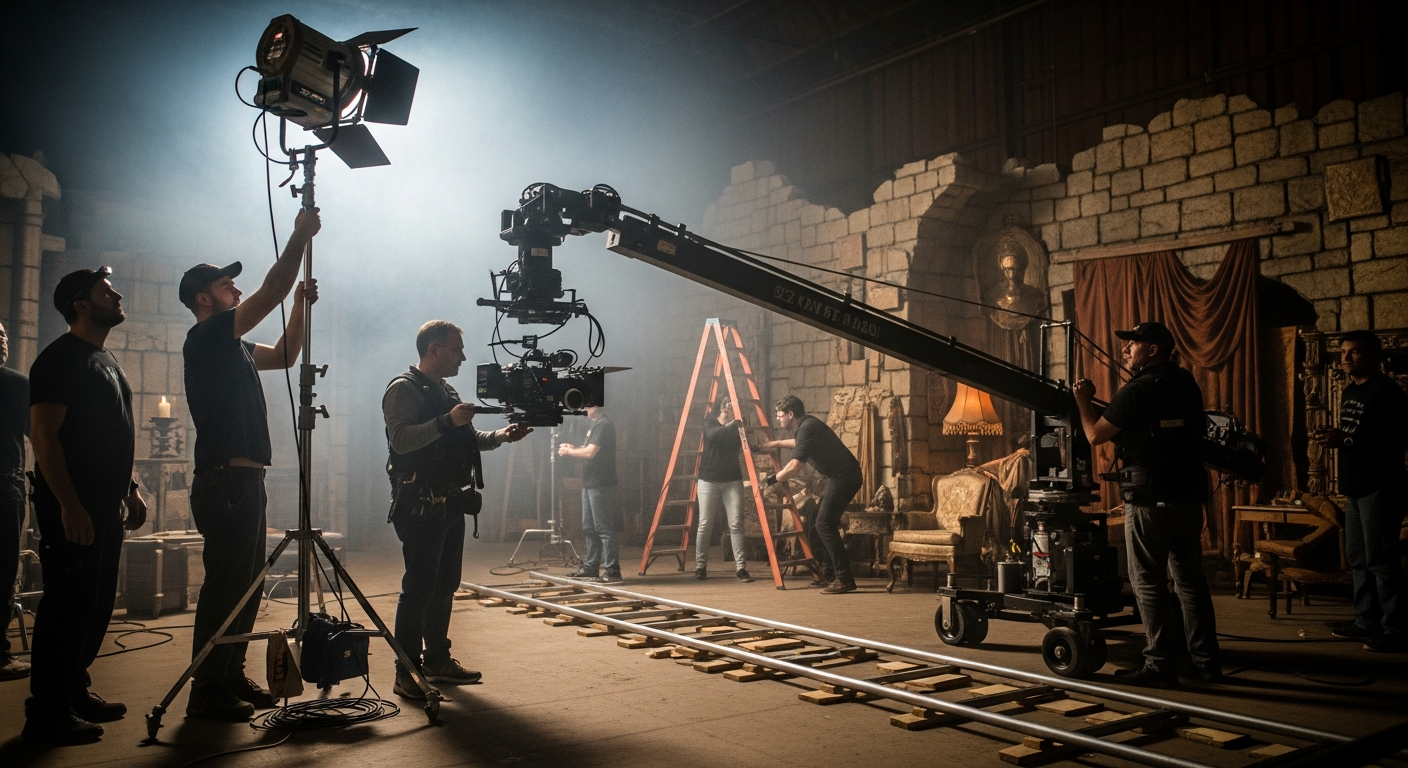
Call sheets generate from your schedule and crew list. Crew confirm attendance through a link, no account needed, no app to download. The daily production report captures what actually happened: first shot time, scenes completed, footage shot, equipment issues, incidents.
The thing I find most useful here is the budget visibility during the shoot itself. Director wants an extra setup? You can see what that does to the budget before you say yes. Not after wrap, not at the end of the week, right there, on set, while the decision is still being made. Anyone who's produced knows that most budget overruns happen because financial information arrives too late to change the outcome. This is an attempt to fix that timing problem.
Post-production
Post isn't one stage. It's seven: rough cut, fine cut, picture lock, colour, sound, mix, master. Each involves different people, different dependencies, different handoff points where things historically fall apart. Telova models all seven. Each has its own task set and flows into the next. The asset management system underneath handles versioning, proxies, thumbnails, and folder organisation so nobody's working from the wrong cut and nobody's downloading enormous files to check a grade.
When a cut's ready for review, you create a review session directly from the asset. The client gets a link and a PIN. They watch, they leave timecoded comments, and if words aren't enough they can draw on the frame, arrows, circles, freehand annotation. "This thing here, at this exact moment." It's harder to give vague feedback when you've got annotation tools in front of you, which is rather the point. Comments are threaded, decisions are tracked. You can see who approved what and when, what they said, and whether anyone contradicted them later. The entire review history stays with the asset, not buried in an email thread.
Delivery
You define deliverables with actual specs: format, resolution, codec, destination platform. We've built presets for the platforms people actually deliver to, YouTube 4K, Instagram Reels, TikTok, Facebook, UK Broadcast AS-11 DPP, or you build custom specs. Each deliverable carries a status from not started through to delivered and confirmed. When a client asks "did we ever send the 9:16 version?" you don't need to check Slack and email and a shared drive. It's either marked delivered or it isn't.
Archive and rights
Everyone skips archiving. Everyone regrets it.
Telova's archive stage tracks rights, talent releases, music licences, footage licences, location releases, all with territories, platforms, and expiry dates. When someone asks "can we use this shot in the US market?" you check the rights record and have an answer in seconds. Retention policies control how long assets live. Storage tiers down automatically: active files on fast storage, older material shifts to cheaper tiers, masters preserved at whatever level you set.

Who this is for
Production companies running multiple projects across multiple clients. Post houses managing complex deliverable matrices. Agencies juggling client work with internal creative. Freelancers tired of running their business from a notes app. In-house creative teams doing the work of a department three times their size. Basically anyone who makes things for a living and spends too much of that living on administration.
What we deliberately didn't build
Telova doesn't edit video. That's Premiere, Resolve, Final Cut, and they're great at it. We're not competing with creative applications. We're replacing everything around them, the spreadsheets, the email approvals, the review platforms, the asset management systems, the scheduling tools, the budget trackers. All the work that isn't the creative work but somehow consumes most of the time you've set aside for the creative work.
Why now
Content demand keeps climbing while budgets keep shrinking. Teams need to produce more with less, and stitching together a dozen disconnected tools isn't scaling. Adobe spent billions acquiring two production tools that still don't fully talk to each other. That acquisition acknowledged this kind of tool matters, but buying two puzzle pieces doesn't complete the puzzle. The gap remains, and it's the gap we've built Telova to fill.
If you want to see whether it works for the way you produce, sign up and run a project through it. Brief to archive, the whole thing. No lengthy implementation, no dedicated admin required.